- 14 October 2026|
- Windows|
- fenster_admin
If you’re building to a high energy standard, or replacing windows in a home you plan to stay in for decades, triple glazed Aluclad windows deserve a place on your shortlist.
They combine a timber frame on the inside, aluminium cladding on the outside and three panes of glass. The result is whole-window U-values as low as 0.8 W/m²K, strong noise reduction and minimal maintenance.
This guide explains how each component works, how triple glazed Aluclad compares with the alternatives, and where it performs best.

What are triple glazed Aluclad windows?
Triple glazed Aluclad windows are composite windows made from three components, each with a specific job.
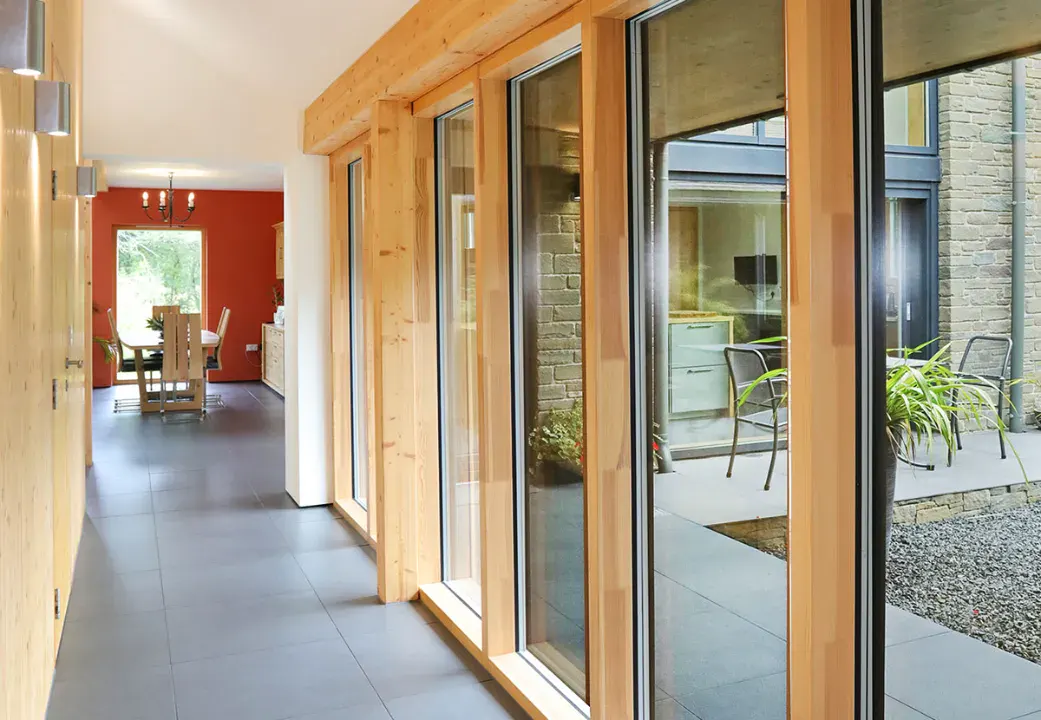
- Timber inner frame: Engineered timber provides structural strength and natural warmth inside the home. Zyle Fenster uses engineered redwood as standard, with hardwood, Accoya and European oak available. All of it is FSC-certified.
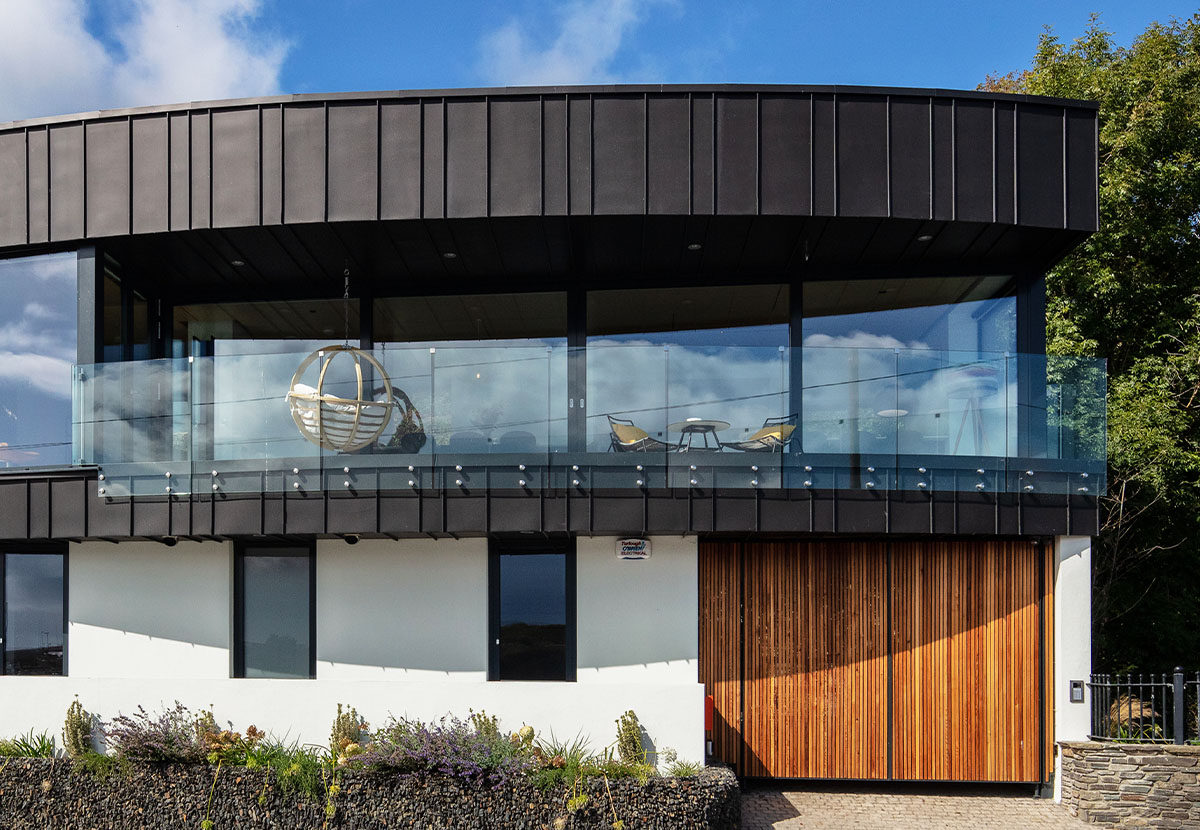
- External aluminium cladding: A powder-coated aluminium shell protects the timber from rain, wind and UV rays. Thermal breaks in the cladding prevent thermal bridging at the frame.
- Triple-glazed unit: Three panes of glass enclose two sealed cavities, typically filled with argon gas. Warm edge spacer bars reduce heat loss around the perimeter of the glass.
How they deliver thermal performance
Each gas-filled cavity acts as an additional insulating layer. Adding a third pane of glass therefore makes a measurable difference.
High-performance double glazing typically achieves a whole-window U-value of 1.2 to 1.4 W/m²K. Zyle Fenster’s double glazed Aluclad windows sit at the better end of that range, at 1.2 W/m²K. Switching to triple glazing brings this down to 0.8 W/m²K, and the certified Aluclad Passivhaus range reaches 0.79 W/m²K.
For context, Approved Document L sets a limiting U-value of 1.6 W/m²K for windows in new dwellings. The Passive House Institute requires around 0.80 W/m²K for cool-temperate climates such as the UK.
In practical terms, triple glazing typically reduces window heat loss by 30 to 40% compared with high-performance double glazing. This lowers heating demand and energy bills over the long run. The inner pane also stays warmer, which means less cold surface radiation near windows and a lower risk of condensation.
Specifier tip: Triple glazing usually has a lower solar gain (g-value) than double glazing. On south-facing elevations, balance thermal insulation against useful passive heat gain, and model this in PHPP or SAP early in the design.
Noise reduction
High-performance double glazing typically achieves Rw 30 to 33 dB. With the right glass specification, triple glazing can reach the low-to-mid 40s. Zyle Fenster’s acoustic products are tested to 45 dB under ISO 10140-2:2021. That makes them well suited to homes near main roads, railways or flight paths, where noise pollution affects sleep and wellbeing.
It’s important to note that the biggest acoustic gains come from using different glass thicknesses and acoustic laminate, not simply from adding an additional pane of glass. Ask for independently verified acoustic data that matches your exact build-up.
Weather resistance, maintenance and durability
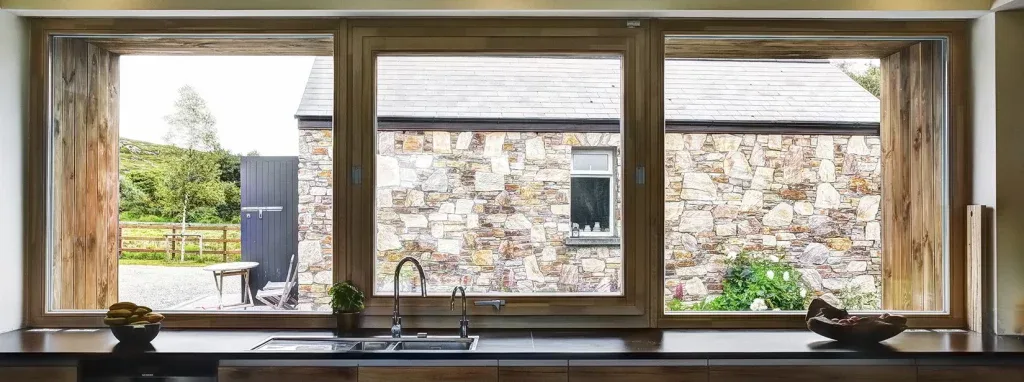
The aluminium exterior is what makes Aluclad a low maintenance choice. Powder coating resists weathering, corrosion and UV rays, and needs only occasional cleaning. The timber sits behind it, protected from the moisture and sunlight that cause traditional timber windows to need regular redecoration, typically every few years on exposed elevations.
Inside, a factory-applied microporous paint or stain lets the timber breathe while protecting the surface. Mortise and tenon jointing keeps frames square and operating smoothly for decades.
How triple glazed Aluclad compares
Triple glazed Aluclad vs double glazed Aluclad
Both options share the same timber core and protective aluminium exterior, so maintenance needs are identical: occasional cleaning and nothing more.
The difference lies in the glazing. Triple glazed Aluclad achieves a U-value of 0.79 to 0.8 W/m²K, compared with 1.2 W/m²K for double glazed. It can also reach acoustic ratings of up to 45 dB, whereas double glazing typically sits at Rw 30 to 33 dB. Triple glazing usually costs around 15 to 25% more, but it is the option that meets passive house standards.
Triple glazed Aluclad vs standard timber windows
Standard timber windows typically achieve a U-value of 1.2 to 1.6 W/m²K, depending on the glazing specified, and their acoustic performance varies in the same way. The biggest practical difference is maintenance.
Without an aluminium exterior, timber windows need periodic repainting or re-staining to stay protected from the weather. Triple glazed Aluclad offers the same timber warmth inside, with far better thermal efficiency and almost no external upkeep. Standard timber windows are also rarely suitable for passive house projects.
Where they perform best
- New builds and low-energy homes: Triple glazing is now the logical specification for passive house self-builds and innovative new builds, where glazing forms a core part of the building fabric.
- Exposed and coastal locations: Aluminium cladding stands up to driving rain and salt air, and the triple-glazed unit handles wind-driven heat loss.
- North-facing elevations: Where solar gain is limited, heat retention becomes the priority.
- Renovations and period homes: Slim profiles and a wide colour palette suit sensitive schemes. Zyle Fenster’s timber sash range can sit alongside Aluclad within the same project.
Considerations for homeowners and specifiers
- Weight: Triple-glazed units are heavier, so check hardware ratings and sash sizes, especially for large pivot windows.
- Installation: Thermal performance depends on airtight installation. Specify airtightness tapes and an insulated installation zone.
- Security features: Ask about multi-point locking and laminated inner panes. Request evidence of testing to recognised standards such as PAS 24.
- Colour choices: Any RAL colour is available. Popular choices include anthracite grey (RAL 7016), traffic grey and pure white (RAL 9010).
- Documentation: Zyle Fenster provides BIM-ready Revit data, NBS documentation and product performance data to support specification.
Key takeaways
- Triple glazed Aluclad windows combine a timber frame, aluminium cladding and three panes of glass.
- U-values reach 0.79 W/m²K, which meets Passivhaus thresholds.
- Acoustic performance has been tested to 45 dB under ISO 10140-2:2021.
- The aluminium exterior means minimal maintenance for decades.
- The cost premium of around 15 to 25% is offset by energy savings and comfort.
Frequently asked questions
Are triple glazed Aluclad windows worth the extra cost?
For most new builds and long-term homes, yes. They typically cost 15 to 25% more than double glazing but cut window heat loss by 30 to 40%. They also reduce noise and condensation, and need very little maintenance.
Do triple glazed windows let in less natural light?
Slightly. Each additional pane reduces light transmission by a small amount, usually a few percentage points. Low-iron glass and slim Aluclad profiles help maximise natural light, which makes the difference barely noticeable in most homes.
Are triple glazed Aluclad windows suitable for passive house projects?
Yes. Zyle Fenster’s certified Aluclad Passivhaus range achieves 0.79 W/m²K. That is within the Passive House Institute’s threshold of around 0.80 W/m²K for UK climates.
How long do Aluclad windows last?
With a protective aluminium exterior, quality timber and factory finishes, Aluclad windows are designed to last for decades. The cladding shields the timber from weathering, which is the main cause of deterioration in traditional timber windows.
Can I get Aluclad windows in grey?
Yes. Aluclad windows are available in the full RAL classic range. Anthracite grey (RAL 7016) is one of the most popular choices for contemporary design, alongside traffic grey, black and pure white.

Talk to Zyle Fenster about triple glazed Aluclad windows
With more than 25 years of glazing expertise across the UK and Irish markets, Zyle Fenster supplies bespoke timber and Aluclad windows, doors and curtain walling to homeowners, architects, Passivhaus consultants and developers. Every product is individually specified for size, finish and performance, and supported by a network of approved partner showrooms across the UK.
Whether you’re an architect specifying for a new project, a self-builder planning your custom home, or a developer working to a programme, our team is here to help. Get in touch for technical advice, product information or a free trade quote.
- Online: complete our contact form
- Call: 07584 013596
- Email: info@zylefenster.co.uk