- 13 July 2026|
- Windows|
- fenster_admin

Period homes are defined by their details. The proportions of a Georgian sash window, the rhythm of Victorian glazing bars, the generous reveals of an Edwardian façade – these are not incidental features. They are the architecture. Which is precisely why replacing original windows in a heritage or period property demands both technical rigour and a genuine sensitivity to what makes the building worth caring about.
Triple glazed sash windows offer a considered answer to a question many homeowners and architects wrestle with: how do you bring a period property up to a modern standard of thermal efficiency and acoustic comfort without compromising the character that makes it exceptional?
The short answer is: you specify correctly from the outset.
What triple glazed sash windows actually do
Triple glazing works by incorporating three panes of glass within a single sealed unit, creating two insulating chambers between them. Those chambers are typically filled with argon gas, which significantly reduces the rate of heat transfer through the window. The result is a whole-window U-value that high-performance double glazing simply cannot match.
Where conventional double glazing typically achieves U-values in the range of 1.2–1.4 W/m²K, Zyle Fenster’s triple glazed systems can reach well below 1.0 W/m²K – with Passivhaus-certified configurations achieving 0.8 W/m²K or lower. For a period property that may currently be losing significant warmth through original single glazing, the difference in heat loss is substantial.
That extra pane of glass also does something less obvious: it raises the internal surface temperature of the glazing. Warmer glass means less condensation, fewer cold spots near windows, and a noticeably more comfortable interior – even on north-facing elevations where solar gain is minimal.
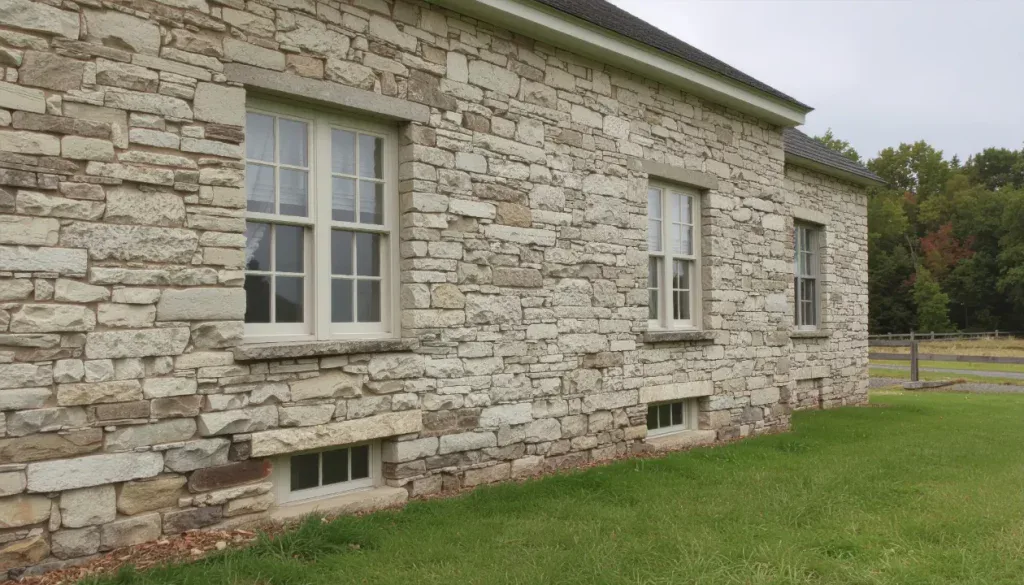
The case for triple glazing in period properties
It is sometimes assumed that triple glazing is the preserve of new build or Passivhaus projects – high-performance homes designed from scratch around energy efficiency targets. That assumption underestimates its relevance to older housing stock.
In Great Britain, a significant proportion of homes were built before modern thermal standards existed. Windows – particularly single glazed sash windows – are among the largest contributors to heat loss and higher energy bills in these properties.
Upgrading to triple glazed sash windows addresses this directly, reducing energy consumption, lowering heating costs and shrinking the building’s carbon footprint without any structural intervention.
The benefits are not limited to thermal performance:
- Noise reduction. Triple glazing with the correct glass specification can achieve acoustic ratings into the low-to-mid 40s dB – a meaningful step beyond the Rw 30–33 dB typical of double glazing. For urban period properties on busy roads or near transport infrastructure, a quieter indoor environment is a genuine quality-of-life improvement.
- Improved insulation. The sealed gas-filled chambers minimise heat transfer, reducing the home’s overall energy consumption and the associated environmental impact.
- Reduced condensation. A warmer inner pane of glass significantly decreases the risk of moisture build-up, protecting timber frames and interior finishes.
- Better energy ratings. Improved glazing directly affects a property’s EPC rating – an increasingly important factor for homeowners and developers alike.
Are triple glazed sash windows right for period properties?
Yes – when specified and crafted correctly, triple glazed sash windows are an excellent choice for period properties. The key is ensuring the frame profiles, glazing bar dimensions and overall proportions are sympathetic to the original design, so the window reads as authentic rather than a modern imposition.
Planning and heritage considerations
For listed buildings or properties within conservation areas, any proposed changes to windows will require planning consent – and in some cases listed building consent too. Local planning authorities will assess whether the proposed replacement windows preserve the character of the building and the streetscape.
This is where bespoke manufacture matters. Off-the-shelf replacement windows rarely meet the profile requirements of a Georgian or Victorian sash. The sight lines are wrong, the glazing bars are too thick, the proportions are slightly off. Each of these details signals inauthenticity to a trained eye – and to a conservation officer.
Zyle Fenster designs and manufactures triple glazed sash windows to individual project specifications. Frame profiles, glazing bar widths, meeting rail positions and overall dimensions are tailored to the existing openings and the architectural language of the building. The result is a window that performs to a modern standard while reading as a natural part of the original fabric.

A worthwhile investment: Understanding the cost
Triple glazed sash windows typically carry a modest premium over equivalent double glazed units – broadly in the region of 15–25% depending on specification. For some, the cost of triple glazing is the primary consideration.
It is worth setting that figure against what it actually delivers:
- Reduced heating costs year on year
- Improved home’s thermal performance and comfort
- Lower energy bills and reduced energy consumption
- Potential improvement to EPC rating and property value
- A quieter, more controlled interior environment
When considered as part of a broader programme of improvement to a period property – alongside insulation, services upgrades and draught-proofing – the long-term return on triple glazed windows is well established. For properties where energy efficiency is a design priority, it is not an optional upgrade. It is a core specification decision.
Talk to Zyle Fenster about your project
Whether you are a homeowner considering a full window replacement programme, an architect specifying glazing for a heritage refurbishment, or a developer working on a sensitive conversion, Zyle Fenster’s team can advise on the right specification for your project and budget.
Get in touch to discuss your requirements, request technical data or arrange a consultation.